Activated Qi Meditations: About

About Peter

Just on 50 years ago, with the encouragement of my P.E. teacher, the inspiring hockey international, Mick Barton, I decided that being a P.E. teacher was the career for me.

Through her medical background my Mum understood that it is important to create a balance between all the sport I was doing and relaxation. So, she sent me off to the local library where I found a book on Raja Yoga. It was a start!

I can remember on the very first two pages it described how it would need around ten years of practice before a person advanced to any significant degree. Rubbish I thought, I’ll manage it within two, three at the most. That might have been the eagerness of youth thinking or more likely the lack of understanding caused by the lack of experience.
Naturally, the book was right.

  • First important lesson, patience.
  • Second important lesson, ‘success is born out of regular, prolonged practice’ not just thinking about doing them for a couple of months.

In my years of travelling, after I qualified as a teacher, I was fortunate to stumble across a number of people who had learned and lived so much more than those first lessons and I got to learn first-hand from them.

Even though they lived thousands of miles apart they shared a number of common attributes.

  • They were so contented with life and yet were actively dedicated.
  • They were kind and always willing to share.
  • They had a complete lack of ‘aren’t I amazing’.
  • Above all they all had a tremendous sense of humour.

They also helped me to understand that each and every person has the same abilities within them as they displayed on a daily basis. It’s just a question of activating them.

On hearing the following words they struck a chord even though their source might seem a million miles from meditation. When I look back at my experience exploring meditation their accuracy rang clear. They encapsulate an unknown potential that is only discovered when actively doing.

“You Think You Know
What’s To Come,
What You Are,
You Haven’t Even Begun.”

(Buffy The Vampire Slayer, Series 7)

Back home, I first taught meditation to others back in the mid-1980’s. My pupils in the primary schools where I taught, took to it like ducks to water. We used it as a tool not just to help them cool down after a P.E. lesson but also to relax generally. It was the side-effects that were so important. It helped stimulate their inquisitiveness and creativity in a whole range of subjects from writing and art to mathematics and science.

It was then that I first experienced how it helped promote and strengthen children’s attention span, their self-esteem and confidence. Along with a sense of being willing to try new things, explore their creativity and tackle problem-solving, and most importantly, how they related to each other.

So in the evenings, weekends, I began to share it with some bigger, older children, my interested friends and their interested friends.

These words, by one of my heroes speak of one of the greatest benefits I have found from meditating.

“Friendship is a serious affection; the most sublime of all affections, because it is founded on principle, and cemented by time.”

Mary Wollstonecraft, (1759~17970
author of, A Vindication of the Rights of Woman

Through the influence of my mother and others in the family who were medically-trained, I developed an interest in the different ways that people approach the same things, and how this is subconsciously affected by the physiology of the body, in turn affecting their overall well-being.  Family get-togethers around the dining table always included fascinating conversations about discoveries and advancements in the world of medical science.

In the late 1970’s I explored and practiced a variety of meditation techniques from different traditions around the World and added to these in my years of travelling in the early 1980’s and again in the early 1990’s.  Over the years I studied various approaches from T’ai Chi under the guidance of Swedish friend, Andi Zeimelis on a kibbutz to Iyengar yoga under the brilliant tutelage of Danielle Lasseure in Marlow.  As well as Judo, Hatha yoga, plus more T’ai Chi with John Zetterstrom at Warwick University.

Extra to teaching from the mid-1980’s I qualified in a variety of complementary therapies, beginning with Reflextherapy at Warwick Hospital and including therapeutic massage.

And then the major hiccup!  In the late 1990’s I contracted pneumonia and after being unwell for ten months was advised to retire in order to avoid the possibility of reinfection in the scaring in my lungs.  During those ten months of being unable to work I naturally looked to my meditation techniques to help my recovery and unfortunately found they did not produce the positive effects that I hoped for.  Having  experienced T’ai Chi I turned to the wider Ancient Chinese Tradition.  The resulting success was summed up by the consultant I was seeing at the Queen Elizabeth Hospital, Birmingham.  Basically, he said, “I don’t know exactly what it is you’ve been doing but your rate of recovery is significantly ahead of time. What you have achieved in two years I wouldn’t have expected until after five years.”  That made my decision an easy one, I let go of the traditions I had been following and began to explore the Chinese Tradition.

Meditation again confirmed the words in the last verse of the poem, Invictus by the 18th century English poet, William Ernest Henley,

It matters not how strait the gate,
How charged with punishments the scroll,
I am the master of my fate,
I am the captain of my soul.

At the time when I was trying to decide what do I do to replace teaching, some of those interested friends said, ‘Look you’ve been showing us how to meditate all this time, why not turn your professional teaching experience to helping others understand how meditation benefits people, especially as life seems to be on an ever increasing treadmill, and so Activated Qi Meditations was born.

Ever since I continue to study and learn about the physiology of the body especially in relation to the developing sciences of evolutionary biology, neuroscience, microbiology, and now quantum biology.  All in tandem with deepening my awareness of what meditation can activate and achieve.  Exciting times!

As an example, in the last 25 years with the progress of understanding brought about by those who study neurocardiology and contrast it with what the Chinese tradition says about the heart there are clearly similarities from two different approaches.

Naturally, in the intervening years I have met and developed close working connections with people who are experienced in these areas from brain trauma specialists and senior consultants (who describe beautifully about how the body removes its toxins), neuroscientists to those who work professionally with the Chinese tradition.  It’s become an adventure that integrates every aspect of everyday life.

When living on the kibbutz I was fortunate enough to work with Eitan, a kibbutznik who at that time was one of Israel’s national basketball coaches; back then it was a time that the Israeli basketball teams were renown.  He taught me that you only change things if they are not going well, to never change winning ways, and to enjoy it!

While on the kibbutz I also learned the values of friendship and listening.  Each winter to take a break from being on the road we would return from wherever our travels had taken us and rest up.  You would only be together for a relatively short time so friendships grew quickly.  So, chilling out we would listen to each other’s stories, the Marks, Yo’an and N, Janice and Annette, David O and Dorte.  Learning to really listen was a key part of this.  120 volunteers from 30 different nationalities meant you really had to listen in order to understand, which was true of whatever country you travelled through.

Nowadays, taking a break involves being the station manager of a community-based and focused, radio station, Welcombe Radio.  Which is a blessing because I get to meet, work and play with some amazing people in the local community.

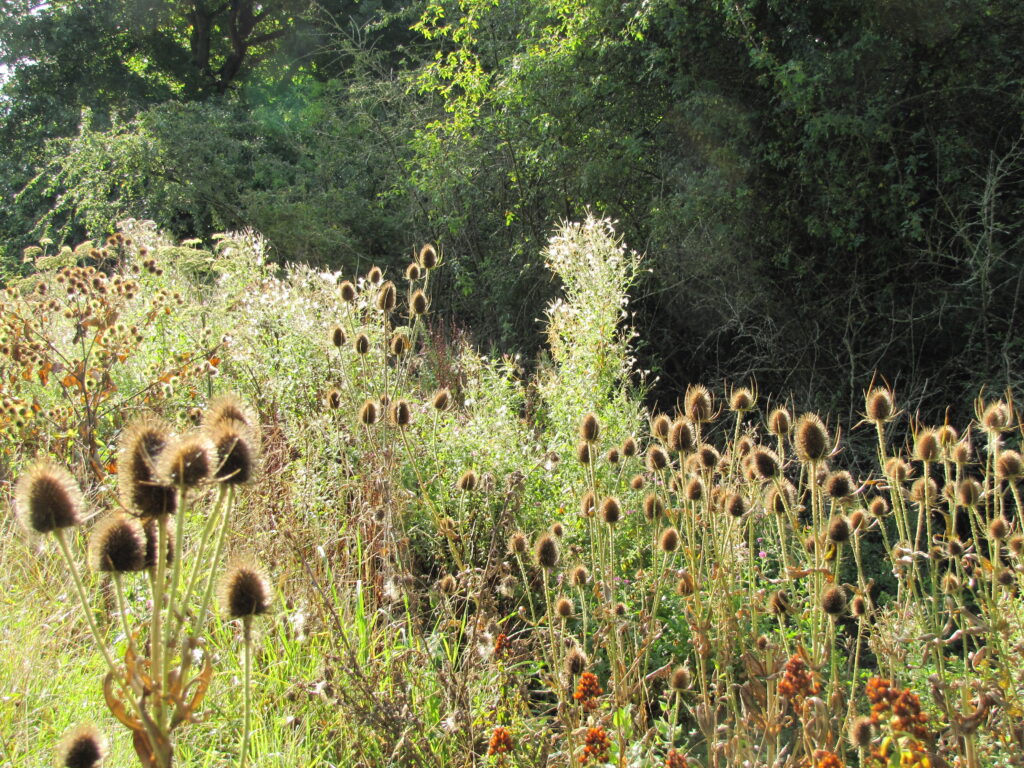
As a child growing up on a farm, being able to wander for hours with friends through the countryside, listening to the old farm-hands expound their hard-worked wisdom, a deep respect for nature, for all things ‘wild’ grew.

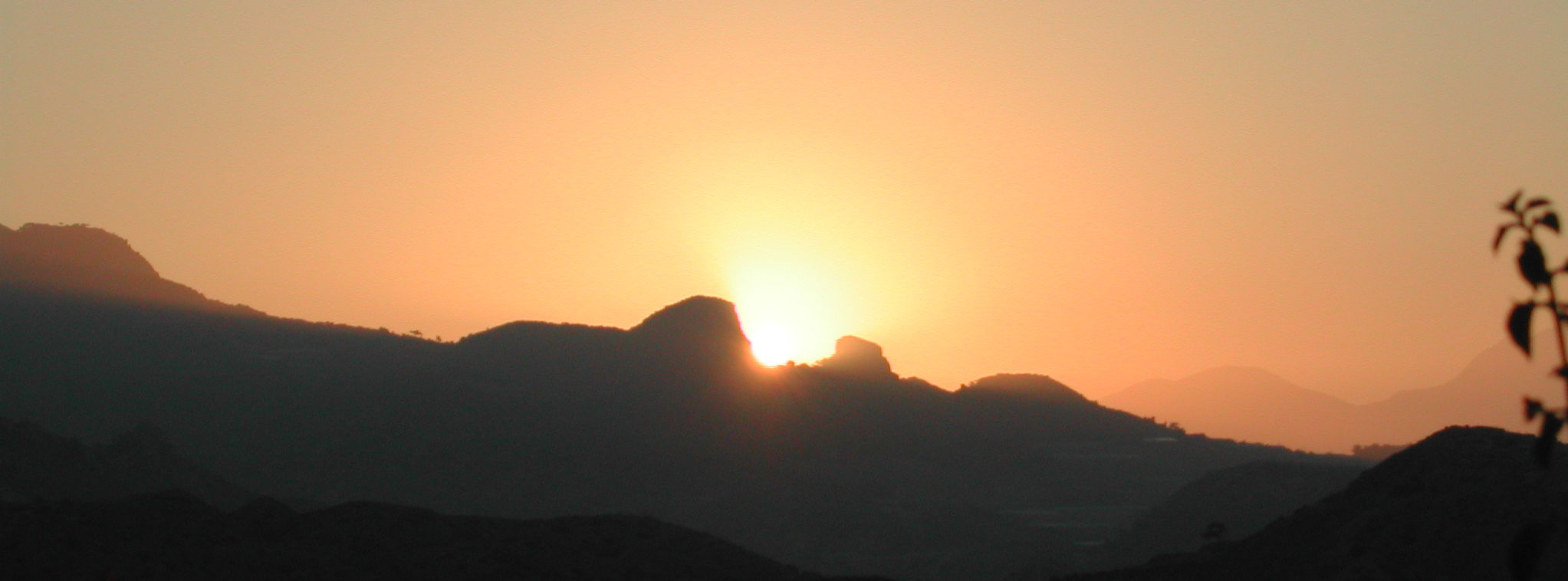
As a result I love walking in nature, especially the Welcombe Hills, any hills, mountains when possible and then sitting in local cafés where they know how to do things just right. Of course there is always gardening, growing things, both the practical and creative.

Recently I have got into the fascinating world of researching my family’s ancestry.  It’s clear, right down through the years, people everywhere do amazing things!

“If one really loves nature one finds beauty everywhere.”

Vincent van Gogh (1853~1890) brilliant post-impressionist artist
keyboard_arrow_up